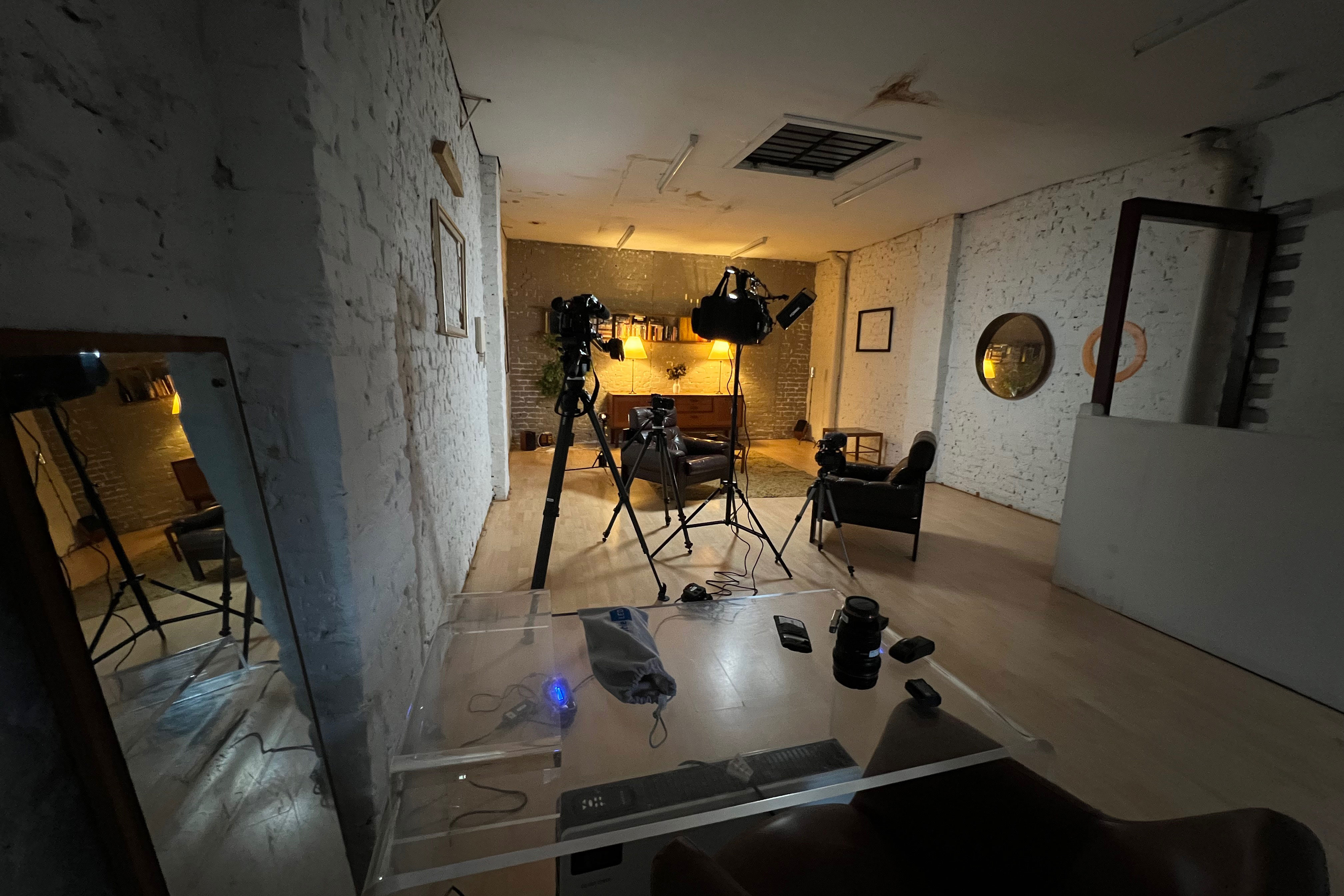
A loft studio should feel like a working environment, not a staged one.
Podloft
A loft studio offers something most traditional studios don’t: space that feels real.
Not a black box. Not a blank room. A space with structure, light, and character already built in.
That’s why more productions are moving away from traditional studio environments and towards warehouse and loft spaces.
But not all loft studios are the same.
Natural light vs controlled light
Some loft studios rely entirely on natural light. That can work — until it doesn’t.
If you’re shooting video, interviews, or anything that needs consistency, you’ll want a space where light can be controlled, not just used.
Space that adapts
A good loft studio should not lock you into one type of shoot.
You might be:
- filming an interview
- shooting professional headshots
- recording content
The space should adapt to you, not the other way around.
Access and practicality
It sounds basic, but it matters.
- easy load-in
- clear layout
- no unnecessary restrictions
If getting in and setting up is difficult, it slows everything down.
Self-service vs managed studios
Some studios are fully managed. Others are designed for self-service use.
There’s no right or wrong — it depends on how you work.
If you know what you’re doing, a self-service studio gives you:
- more control
- more flexibility
- less cost
Final thought
A loft studio should feel like a working environment, not a staged one.
If the space already does half the job for you, everything else becomes easier.